Personal Finance: The Complete Guide to Managing Money, Building Wealth, and Achieving Financial Freedom

Personal finance is the foundation of a secure, stress-free, and successful life. It is not just about earning money — it is about managing income, controlling expenses, saving smartly, investing wisely, reducing debt, and planning for the future. Whether you are a student, working professional, entrepreneur, or retiree, mastering personal finance is essential.

This in-depth guide covers everything you need to know about personal finance — budgeting, saving, investing, debt management, taxes, insurance, retirement planning, and real-world case studies — written for both beginners and financial professionals.


What Is Personal Finance?

Personal finance refers to the management of an individual’s or family’s financial activities, including:

Personal finance is not about how much you earn — it’s about how well you manage what you earn.

Why Personal Finance Is Important

Strong personal finance skills help you:

Example: Two people earning ₹50,000 per month can have completely different financial outcomes based on how they manage their personal finances.


Core Components of Personal Finance

1. Income Management

Income is the starting point of personal finance. It includes:

Rule: Never rely on a single income source. Diversifying income improves financial stability.

2. Budgeting: The Backbone of Personal Finance

Budgeting is the process of planning how your income will be spent. A good budget ensures that you:

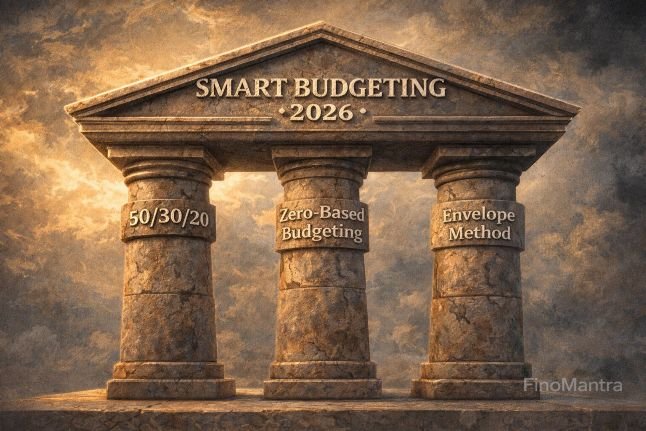
Popular Budgeting Methods

MethodDescription
50-30-20 Rule50% needs, 30% wants, 20% savings
Zero-Based BudgetEvery rupee is assigned a purpose
Envelope SystemCash-based spending control

Professional Tip: Track expenses monthly and review your budget quarterly.


Saving Money: Building Financial Security

Saving is the habit of setting aside money for future needs. It provides financial security and peace of mind.

Types of Savings

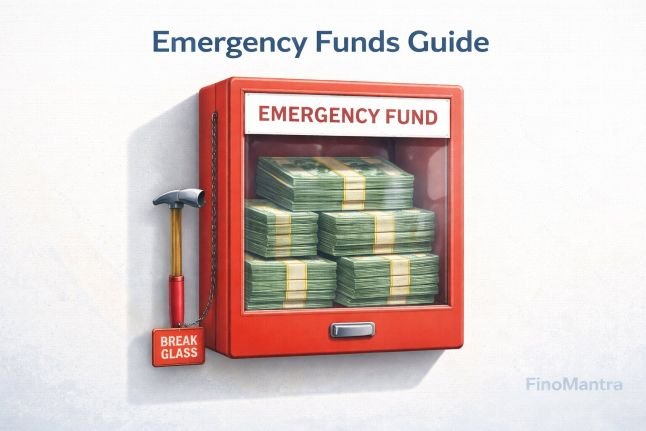
Example: If your monthly expenses are ₹30,000, your emergency fund should be ₹90,000–₹1,80,000.

Best Saving Instruments


Investing: Growing Your Money

Saving protects money, but investing grows money. Investing helps beat inflation and build wealth.

Major Investment Options

Key Principle: Higher return = Higher risk.

Power of Compounding

Compounding means earning returns on both principal and previous returns.

Example: ₹10,000 invested annually at 12% for 20 years becomes over ₹10 lakh.


Debt Management and Credit Control

Debt can be useful or destructive depending on how it is managed.

Good Debt vs Bad Debt

Good DebtBad Debt
Education loanCredit card debt
Home loanPersonal loans for lifestyle

Debt Repayment Strategies

Credit Score Management

A good credit score helps you get loans at lower interest rates.


Tax Planning: Saving More by Paying Smart

Tax planning is a critical part of personal finance. Smart tax planning increases net income.

Common Tax-Saving Options (India)

Tip: Invest for returns first, tax benefits second.


Insurance: Protecting Your Financial Life

Insurance protects you and your family from financial shocks.

Essential Insurance Types

Rule: Insurance is protection, not investment.


Retirement Planning: Securing Your Future

Retirement planning ensures financial independence in later years.

Retirement Investment Options

Example: Investing ₹5,000 per month from age 25 can create a multi-crore retirement corpus.


Case Study 1: Personal Finance Success Story

Profile: Amit, Age 30, Salary ₹60,000/month

Result: Net worth crossed ₹25 lakh in 7 years.


Common Personal Finance Mistakes


Personal Finance Tools and Apps


The Psychology of Personal Finance

Money decisions are emotional. Successful personal finance requires:

Wealth is built quietly, not through shortcuts.

Conclusion: Master Personal Finance, Master Life

Personal finance is a life skill, not a one-time task. By budgeting smartly, saving consistently, investing wisely, managing debt responsibly, and planning ahead, anyone can achieve financial security and freedom.

The best time to improve your personal finance was yesterday. The second best time is today.

Start now — your future self will thank you.